
竞赛技能
3D 数字游戏艺术
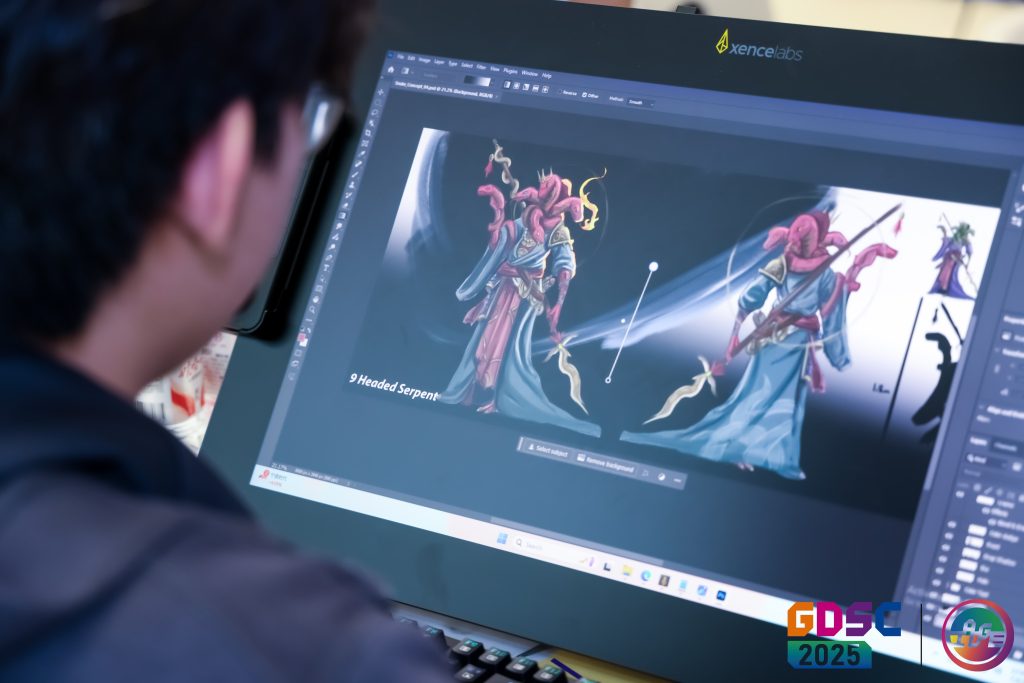
模块 A:概念设计和文件编制
要求参赛选手根据题目给出的设计大纲确定艺术风格,按照竞赛技术规范使用计算机软件完成概念设计方案和配色方案,并撰写设计思路、多边形预算表分配、动作设计等设计说明文件。.
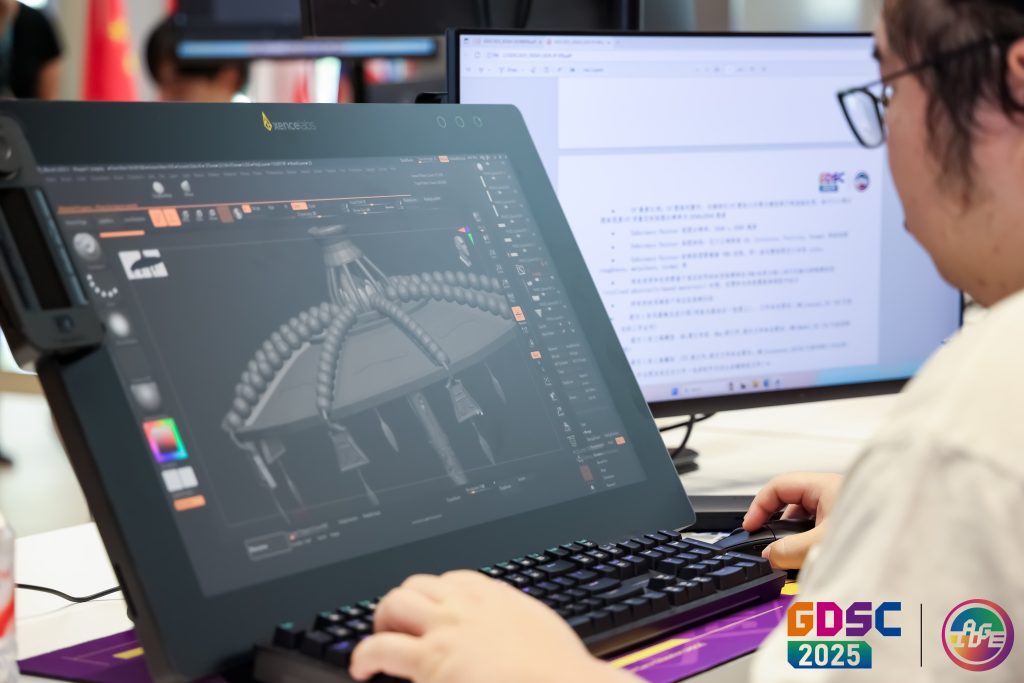
模块 B:三维建模和雕刻
参赛者需要根据模块 A 完成的概念设计制作三维模型,并使用雕刻工具丰富模型的细节。.
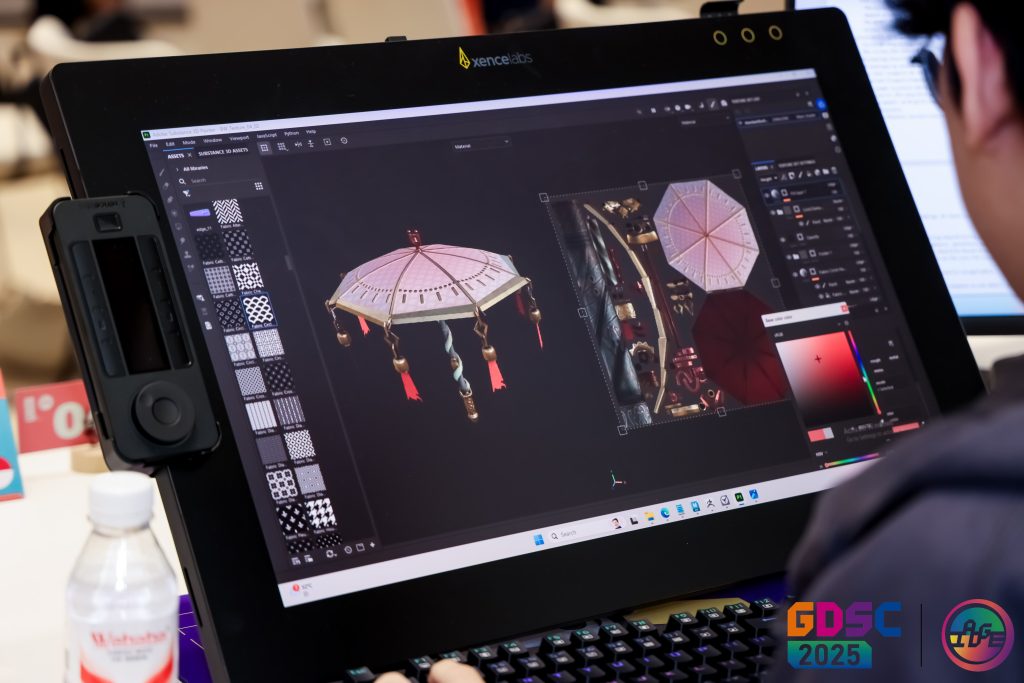
模块 C:UV 展开和纹理制作
选手需要在为模块 B 制作的低多边形模型中解开 UV 包,并绘制全套 PBR 材质贴图。导入引擎配置光照材质后,选手即可进行渲染和输出。.
模块 D:动画和发动机显示
为角色模型绑定骨架,调整动画,并将相关数据导入引擎以显示最终效果。.
VR/AR Technology
测试项目包括开发两个应用程序:一个用于增强现实,另一个用于虚拟现实。测试项目分为若干模块,需按顺序完成。最终的评估标准将由评审团确定。评估内容涵盖各模块的工作成果以及测试项目的执行过程。若参赛者未遵守职业健康与安全(OHSE)要求,或导致自身及/或其他参赛者面临危险,可能被取消资格。根据比赛情况,评审团可对测试项目的时长和具体细节进行调整。测试项目必须按模块完成,评估也将逐模块进行。
动画技术
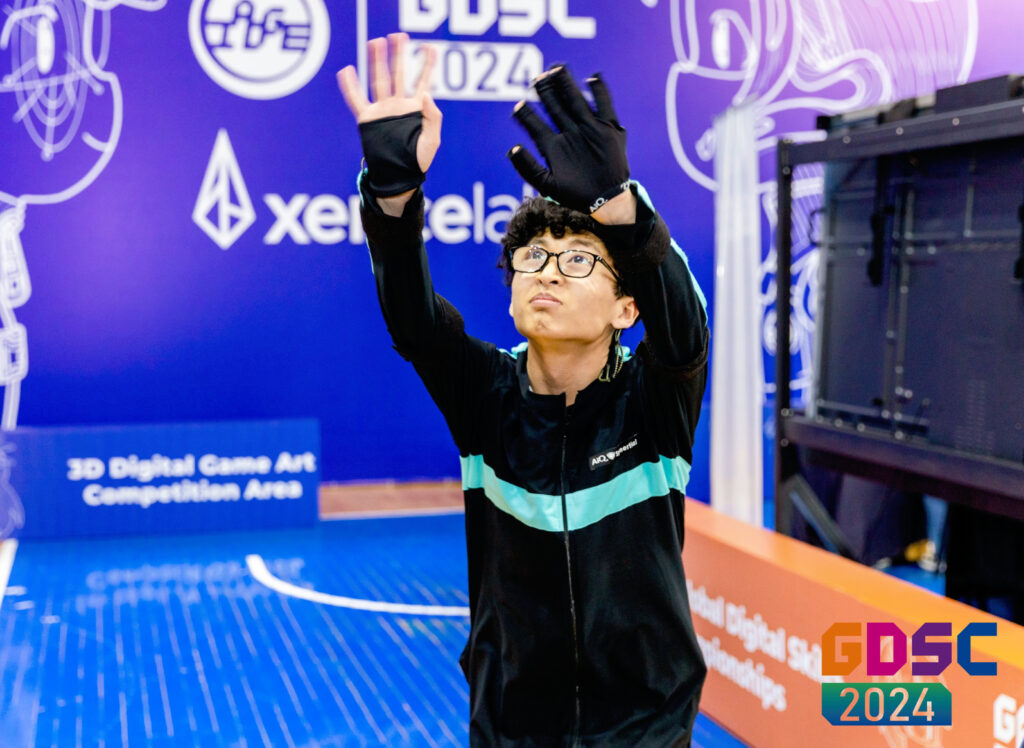
艺术家利用创意、技术和几何知识制作游戏动画。三维游戏美术师根据游戏类型采用不同的绘图、建模和动画风格,负责从接收设计要求到制作适销对路游戏的整个过程。其核心在于将概念转化为三维网格,这需要掌握概念艺术和角色动画等技能。.
比赛要求选手在时间紧迫的情况下完成镜头设计、三维建模、UV 展开、装配和渲染等任务。比赛重点考核选手的技术能力、艺术基础和潜力,同时全面检验选手的创意和实践能力。.
Level Design
关卡设计(level design)是视频游戏开发中的核心环节。开发者需要通过团队协作,完成从概念构思到实际实现的整个流程。它在游戏开发中被广泛应用,其技术和理念也可延伸至医疗、建筑和模拟训练等现实领域。
在竞赛场景中,关卡设计必须符合明确的目标和规范:首先,基于随机主题,在限定时间内完成2D关卡设计(包括俯视图关卡草图、显示游戏进度的关卡流程图,以及解释符号含义的说明文字,可手绘或使用Photoshop等软件制作);然后,根据2D设计,利用Unity内置工具(如ProBuilder)以及3DS Max、Maya等软件,构建3D关卡原型,创建符合主题的游戏资源,设计至少一座带有着色器效果的视觉地标建筑,并完成UV贴图、纹理贴图、光照设置(包括昼夜模式、全局光照等),以及高定义渲染管线(HDRP)的应用。
在技术实现方面,需要通过C#编程增强交互性,设置至少两种类型的脚本事件(例如门的开关、昼夜循环等),最后输出一个优化的64位开发版可执行文件(包含完整的飞行视角摄像机)以及4张分辨率为1920×1080的静态渲染图像(包括正视图、侧视图和两个不同视角)。
评估维度包括创意、表现力、3D设计与艺术质量、编程技能,以及渲染图像和可执行文件的质量。同时,还会对2D设计的构图、比例、主题相关性及流程解释等详细指标进行评估,此外还包括3D原型与设计的一致性、交互逻辑的完整性,以及光照效果和碰撞检测的准确性。