
Competition Skills

3D Digital Game Art
Module A: Conceptual Design and Documentation
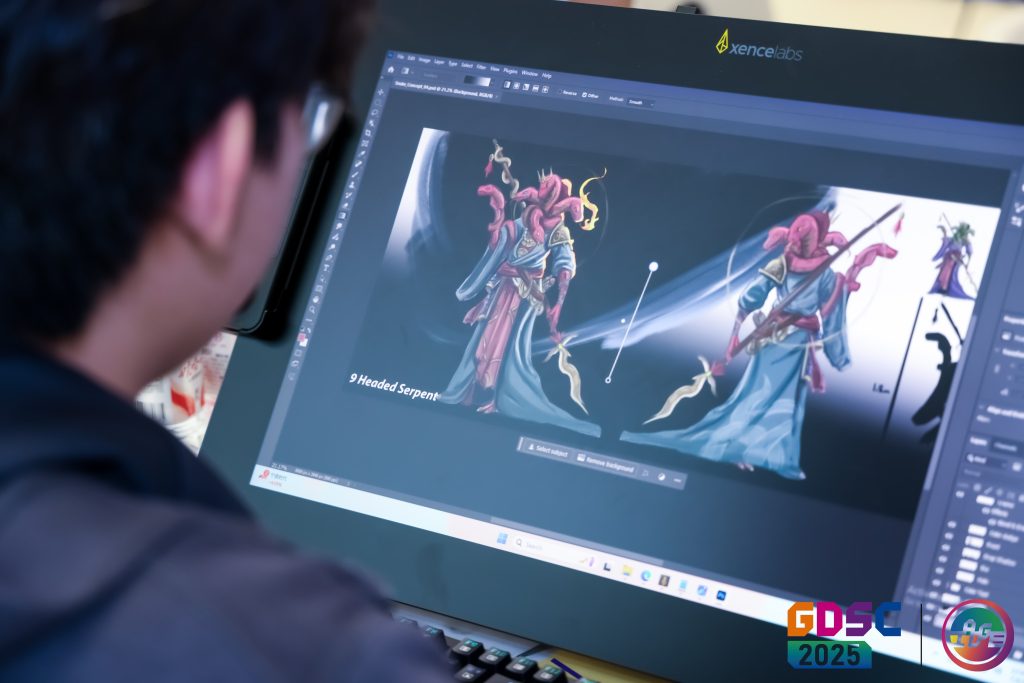
The contestants are required to determine the artistic style according to the design outline given by the title, use the computer software to complete the conceptual design scheme and color scheme according to the technical specifications of the competition, and write a design description file of design ideas, polygon budget table allocation, action design, etc.
Module B: 3D Modeling and Sculpting
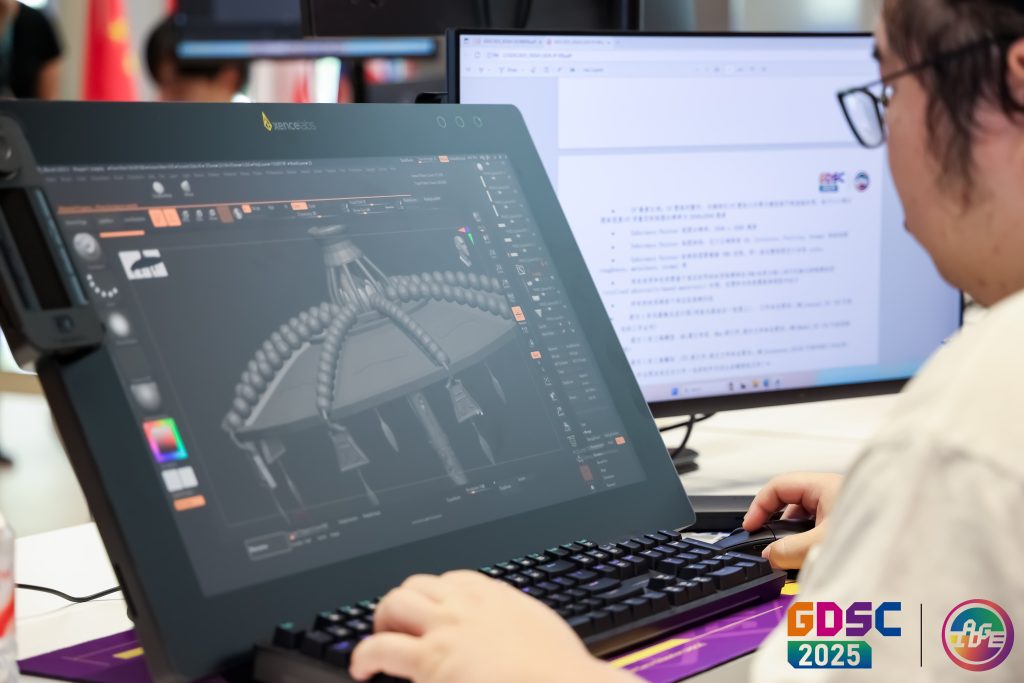
The contestants are required to make 3D models according to the conceptual design completed in module A, and use carving tools to enrich the details of the models.
Module C: UV Unwrapping and Texturing
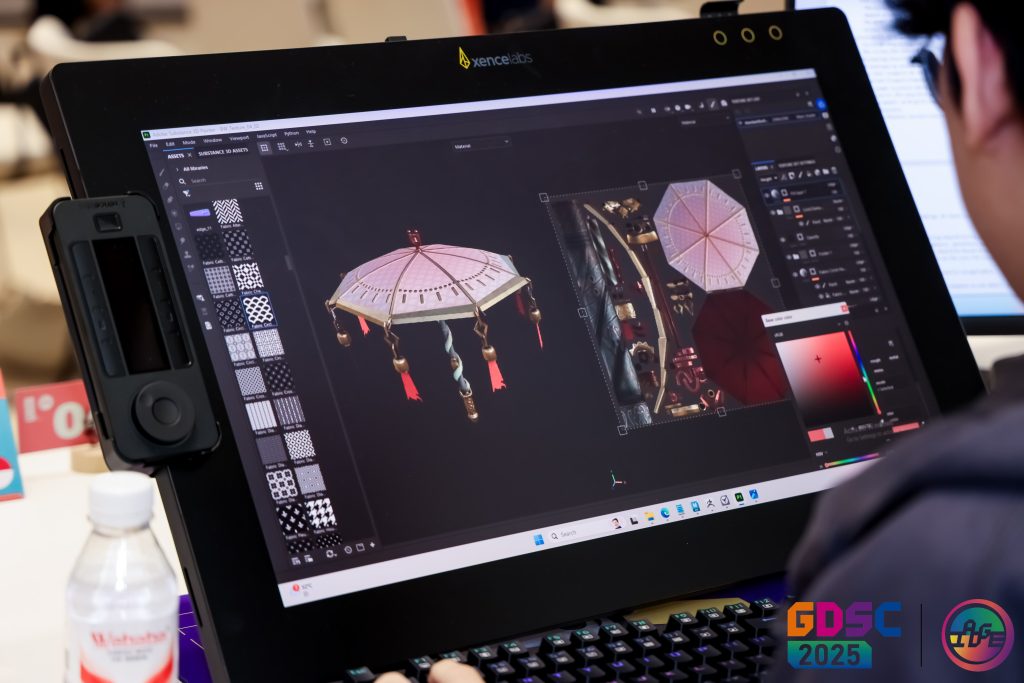
The contestants are required to unwrap the UVs in low poly model made for module B and draw a full set of PBR material maps. After importing the engine configuring lighting materials, the players can render and output.
Module D: Animation and Engine Display
Bind the skeleton for the character model, adjust the animation, and import the relevant data into the engine to show the final effect.
Animation Technology
Artists create game animations using creativity, technology, and geometric knowledge. 3D game artists employ different styles for drawing, modeling, and animation based on the game type, and are responsible for the entire process from receiving design requirements to producing marketable games. The core lies in transforming concepts into 3D meshes, which requires mastery of skills such as concept art and character animation.
The competition requires contestants to complete tasks like shot design, 3D modeling, UV unwrapping, rigging, and rendering under time pressure. It focuses on assessing their technical skills, artistic foundation, and potential, while comprehensively testing their creative and practical abilities.
Level Design
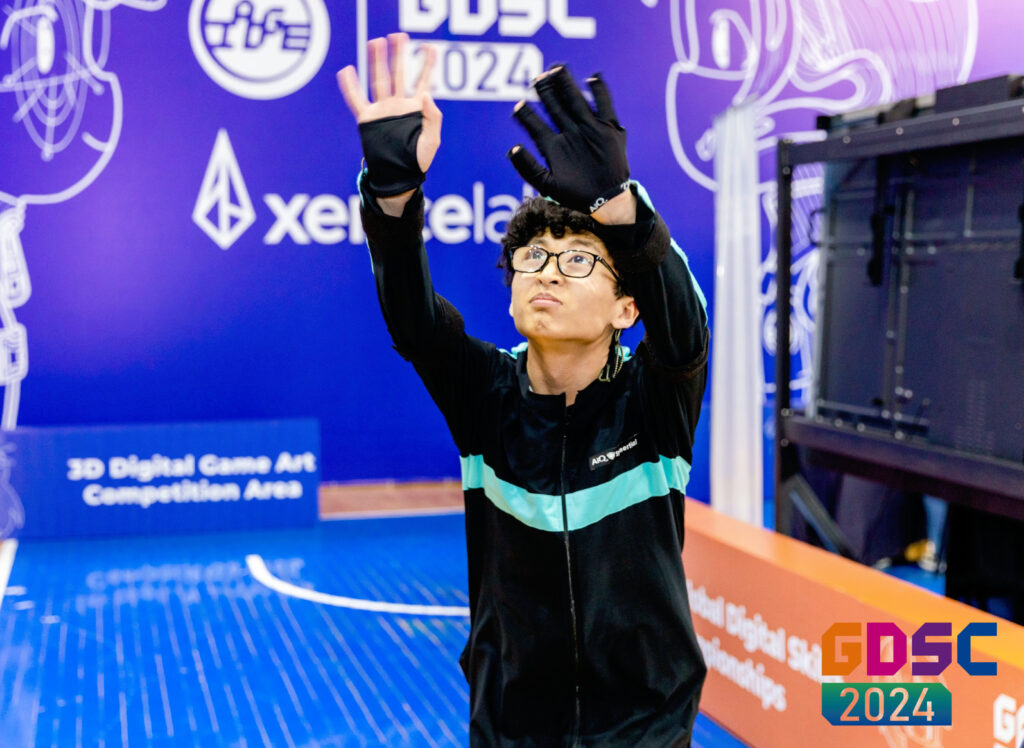
Level Design (level design) is a core link in video game creation. Creators need to complete the entire process from conceptualization to implementation through teamwork. It is widely used in game development, and its technologies and concepts can also be extended to real-world fields such as healthcare, architecture, and simulation training.
In competition scenarios, level design must comply with clear objectives and specifications: first, based on a random theme, complete 2D designs within a limited time (including top-down level sketches, level flow diagrams showing gameplay progress, and legends explaining the meaning of symbols, which can be hand-drawn or created using software such as Photoshop); then, based on the 2D designs, use Unity’s built-in tools (e.g., ProBuilder) and software like 3DS Max and Maya to build 3D level prototypes, create game assets that fit the theme, design at least one visual landmark building with shader effects, and complete UV mapping, texture mapping, lighting settings (including day-night mode, Global Illumination, etc.), and the application of High Definition Render Pipeline (HDRP).
In terms of technical implementation, it is necessary to enrich level interactivity through C# programming, set up at least two types of scripted events (e.g., door opening/closing, day-night cycle, etc.), and finally output an optimized 64-bit Development Build executable file (including a full fly-through camera) and 4 static rendering images with a resolution of 1920×1080 (including front view, side view, and two distinct perspective views).
The evaluation dimensions include creativity, expressiveness, 3D design and artistic quality, programming skills, and the quality of rendered images and executable files. At the same time, detailed indicators such as the composition, proportion, theme relevance, and level flow explanation of 2D designs, as well as the consistency between 3D prototypes and designs, the completeness of interactive logic, and the accuracy of lighting and collision detection, are also assessed.